Friday, March 17, 2017

The HAVES and the HAVENOTS


I have learned that communication comes in all shades and fashions. I have language is the key and how we use it can be effective or ineffective. I know that communication is very important, especially in the early childhood field. I love to watch ‘The Have and the Have-nots, because you can read the characters just by watching them. These characters use a lot of nonverbal communication. I see a lot of them using the channel discrepancy by using the nonverbal unintentional communication. The characters show that they have some ethnocentrism communication, because they are viewing other cultures in their own view and basically labeling the ones that they think doesn’t fit in their world. I also observed some intercultural communication challenges. While watching the show with the volume on; I saw some frustrations, dominating, aggressiveness, uncertainty and some multitasking in the communication area. I would like to let my colleagues know that nonverbal language can be tricky. Being knowledgeable about communication skills will enhance your learning. It will behoove my colleagues to learn the different characteristics for communication.

Tuesday, March 7, 2017

Michelle Obama......My Inspiration


Michelle Obama

When I first saw Michelle Obama speak, I thought: Wow! I said this woman reeks professionalism and eloquent. She is very knowledgeable on whatever she talks about. I have not yet seen her ponder over her words when she speaks. She stands attentively and gives direct eye contact. I really like the fact that she is very confident. She is an inspiration to all women and very inspiring. When she speaks everyone listens. I like that she speaks what is on her mind, and speaks correct English. This lady speaks and walks SUCCESS! These words that she spoke will forever stay with me. “One of the lessons that I grew up with was to always stay true to yourself and never let what somebody else says distract you from your goals.”

I chose her because she is a phenomenal woman. She is educated and has great communication skills. She is not afraid of people. She is the reason why I can speak in front of a lot people. She is a leader with awesome communication skills.


Thursday, March 2, 2017

Professional Hopes and Goals


One hope that I have about working with children and families who come from diverse backgrounds is that I want to remain anti-bias. I want my families to know that everyone is unique in their own way. One goal I would like to set for the early childhood field related to issues of diversity, equity ,and social justice is to let each child be who they are and always be a voice for my children and families. My goal is to always teach each child to be fair.

A brief note to my colleagues:

I would like to thank each and every one of my colleagues for sharing their knowledge on equity, diversity and social justice. I have learned a lot from each of you. I was glad to learn that I am not alone, and believe that we should treat our families and children fair. We all have learned not to assume. I wish each and every one of you on your road to success! Thanks for having a listening ear.

See you in the next class.

Friday, February 24, 2017

Welcoming Families From Around the World


Mexico

Five ways in which I will prepare myself to be culturally responsive towards this family.

1.      I would make sure diversity in integrated in my curriculum that the child could relate too.

2.      I will make sure the parents know that they can be involved in their child’s learning.

3.      I would ask the parents about concerns that they may have, and we can decide how we can addressed them.

4.      I would research the early childhood programs in Mexico.

5.I would let the parents know that they are encouraged to participate in their child’s learning.

I hope the five ways that I have chosen will help the family understand that as a teacher, I will embrace their diversity. I understand what feels is like to come somewhere and not feel comfortable. I hope my ways make the feel that they are able to be a part of our school and community. I would let them know that it is okay to get to know other children, because I understand that family comes first with them. I understand that it’s their culture to be close to each other. My ways will help me feel better, because I have done my research. I will know what to expect when I meet this child.


Saturday, February 18, 2017

The Personal Side of Bias, Prejudices, and Oppression


OPPRESSION, PREJUDICE, AND BIAS; CAN WE FIX IT?
 
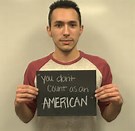
I have witnessed president Obama being a person that was a part of racial prejudice four years. When he became the first black president; prejudice became real and very visible among Americans. This man has dealt with so many untrue rumors like, he is a Muslim, or he was not born in America. There were so many people that tried to break this man, because they were prejudice.
There was a reporter stated some violent attacks were happening to teachers in Minnesota public schools. The reported stated these schools were being linked to the adoption of the Obama’s “equity” policies. It stated these policies have made certain racial and ethnic groups “untouchable” when trying to use disciplinary action.
My feelings about this incident are I think it is unfair that teachers are not protected when un-rule children are involved. I do believe that something needs to be put in place. I think that when some officers are school authority figure is involved with discipline children; they should not get away with abusing, or brutally hurting them. I believe this should apply to all children.
I believe America is going to have to change to make greater equality for an issue like this one. The prejudice is going to have to be set aside when people are involved. The government and policy makers are going to have to come together and figure out what can we do to protect ourselves from children with major disciplinary problems.
 

Friday, February 3, 2017

Practicing Awareness of Microaggressions


             I can remember being out a couple of years ago with some friends and other associates. We were at a steak restaurant having dinner. One of my friends had a problem with her steak. I suggested that she tell the waitress so she could get her another steak. The waitress came over and she explained that she wanted her steak medium rare. The waitress apologized and took the steak back to the kitchen. I remember some of our friends staring at her like she had done something wrong. The waitress returned with another steak. This steak was pink all the way through. My friend said, "I can't eat this either. " I called the waitress back, and complained about this steak. The waitress roiled her and snatched the plate off the table. As she was walking away; I heard her say, "Black people is always trying not to pay their damn ticket!" The manager came over and I told him what she had said as she was walking off. He laughed as I was being funny, and said, "She is such a jokester!" I was very upset, and told him that I didn't see anything funny, and I wanted an apology from her, because I considered that a racist remark. The manager made her apologize, and I called their main headquarters and complained.
            First of all, I didn't know what the word microaggressions were until I saw the video this week. I see that microaggressions comes in all types of ways. This week's lesson has taught me to think before you speak. They say words cant hurt, but microaggressions can.  We should stop being prejudice, stop discriminating each other, and stereotyping one another. It is safe to ask, than assume. We all know that no one person is the same; we should embrace everyone.

Saturday, January 28, 2017

Perspectives on Diversity and Culture

Three people I talked to about their definition of culture and diversity. One person that believes in some ways  culturally different from me.

Family Member- Patricia R.-My definition of cultural is the way we stick to family rituals. The color of my skin. The beliefs that my family believe in, and our values. Our body language, the way we talk and present ourselves. Diversity is a typical ethnicity; being able to adapt to your surrounding, but don't change your identity.
Nail Tech- Tim N.- I am from China. I am a Chinese. Cultural means family. It's what we value like homes, statues, and Chinese rituals. Diversity is just being different.
Acquaintance-Rodney C. - Culture is our family history. It is sentimental things passed down through different generations. It's the way we perceive life. Most of all is the way we value family.
Diversity is looking at things or people different. Nothing is the same.

Which aspects of culture and diversity that I have studied in this course are included in the answers I received- what are some examples?
In this course I have learned about the definition of culture. I believe some of the people I talked to see culture the same way in some aspect. The book states that when we hear the word culture; we think about surface culture and deep culture and how certain groups of people live. For example, The Chinese believe that everyone should be under one roof. The live in packs in one house. The African American is a group that is related strongly to their ethnicity.

Which aspects have been omitted-and what are some examples of such omission?
I believe that a lot of the deep culture aspects has been omitted. For example, no one that I talked to said anything about any community connection with their culture. Education, role of children and gender roles.

In what ways has thinking about the other's people's definition of culture and diversity influenced my own thinking about these topics?
I see that we all have some similarities about culture and diversity. These two topics are very broad subjects. I have learned that we respect our own beliefs and is very strongly opinionated and defensive when we speak on these subjects. After speaking to these people, I have learned to reach out and learn from other cultures, and especially dominant cultures.